

Why Customer Reviews Matter More in AI Search
A few years ago, your star rating was a tiebreaker. Google showed a searcher three nearby businesses. Your customer reviews then helped them choose between you and the two competitors beside you on the map.
That role is changing. AI search tools can now use reviews as part of the evidence they weigh when recommending local businesses. Without recent, specific information about what you do and how customers experience it, your business may be less likely to appear in the answer at all.
Here’s what changed this year, what the data actually shows, and what you can do about it this quarter.
What Changed in Search This Year
Google’s own numbers tell the story. In his I/O keynote in May, Google CEO Sundar Pichai said AI Overviews now reach more than 2.5 billion people a month. Those are the generated summaries at the top of search results. AI Mode, Google’s conversational search experience, has passed 1 billion monthly users. Google says queries there have been more than doubling every quarter since launch.
Two other announcements matter for local businesses. Searchers can now ask a follow-up question right from an AI Overview and move straight into a conversation with AI Mode. Google is also rolling out agentic calling. It contacts businesses on a customer’s behalf for services like home repair, beauty, and pet care.
Think about what that means. More of the customer’s research happens before they ever pick up the phone. That makes accurate, consistent information about your business more important than it has ever been.
Fewer Spots on the Map
The traditional local 3-pack shows three businesses. When Google swaps it for an AI-generated local pack, that number often drops to one or two.
In Sterling Sky’s 2026 study across 322 markets, traditional local packs surfaced roughly three times as many unique businesses as the AI-generated versions. Some AI local packs also leave out the call button that so many service businesses depend on.
To keep this in perspective, AI local packs still appear on well under one in ten local searches in recent tracking. AI Overviews are more widespread. Some large tracking datasets have found them on close to half of the queries they monitor. That share varies a lot by industry and search intent. The direction is clear, and businesses that prepare for AI search now get the head start.
Why Customer Reviews Carry More Weight Now
AI search tools don’t answer local questions from memory. They pull current information from multiple sources and write an answer based on what they find. Customer reviews are some of the richest, most current text available about any local business, which makes them a natural source of evidence.

That changes what makes a review valuable.
Specific Beats Generic
Searches are getting longer and more detailed. Someone might ask for a plumber in Manchester who can fix a burst pipe on a weekend. A review that says “Great service, highly recommend” tells an AI tool, or a human reader, very little. Compare that to “They came out on a Sunday to fix a burst pipe in our basement and were done in two hours.” Detailed customer reviews like that describe real work. That is what both people and search systems are looking for.
Recent Beats Old
A stack of reviews from 2021 says very little about how you operate today. Customers agree. BrightLocal’s 2026 consumer survey found 74% of consumers seek out reviews written within the last three months. A steady flow of new customer reviews signals an active, healthy business. Long silences read as the opposite.
Your Replies Count Too
Every response you write adds more information about your business: the services you offer, how you handle problems, what customers can expect. The same survey found 80% of consumers are likely to use a business that responds to all its reviews. Nearly everyone, 97%, reads reviews for local businesses. One catch: generic or templated replies put off half of consumers, so a copy-paste “Thanks for your business” can do more harm than good.
Google Isn’t the Only Place Customers Look
In July, Yelp and OpenAI announced a partnership that brings Yelp reviews, ratings, photos, and business details into ChatGPT. A month later, ChatGPT added restaurant reservation discovery through partners including Yelp.
ChatGPT can now pull Yelp ratings, reviews, photos, and business information into its local recommendations. Some customers may meet your business there before they ever search Google or visit your website. It’s another version of the zero-click search trend already reshaping Google. If you’ve ignored your Yelp profile because “everyone uses Google,” it may be time for a second look.
AI search tools can also draw information from several sources at once. Say your hours, phone number, or address conflict across Google, Yelp, your website, and other directories. Now search engines and customers alike have a harder time knowing which version is correct.
Reviews Are One Voice. Consistency Is the Message.

Reviews aren’t the whole picture. Whitespark’s 2026 Local Search Ranking Factors survey suggests AI visibility depends on a mix of signals. Those include mentions on authoritative third-party sites, expert-curated “best of” lists, reviews, and a business’s own website. Three of the top five factors involved being mentioned or validated on authoritative third-party websites. Having a dedicated page for each service also ranked among the strongest individual signals.
Think of it as corroboration. Reviews say customers experienced the service. Your website says you provide it. Business profiles confirm the details. Outside mentions reinforce that you’re a real, established company. The real advantage comes when your website, reviews, business profiles, and third-party mentions all tell the same story.
There’s evidence this matters. Seer Interactive analyzed 3,119 search terms across 42 client organizations. It found that brands cited inside an AI Overview had a 35% higher organic click-through rate than brands that weren’t cited. Seer is careful to note that stronger brands may earn both, so it’s a correlation rather than proof of cause. Still, being named in the answer beats being left out of it.
Six Moves to Make This Quarter

- Ask consistently: Request reviews shortly after the job, while the experience is fresh. A weekly habit beats a once-a-year push.
- Make it easy: Send a direct link to your review page and invite customers to share their experience in their own words.
- Respond to every review in your own words: Skip the canned template and thank people by naming the actual service. For negative feedback, stay calm, explain how you made it right, and take the details offline.
- Keep listings aligned: Match your name, address, phone, hours, categories, and services on your Google Business Profile, Yelp, Apple Maps, Bing, and your industry directories.
- Build proof on your website: Give each service its own page, and add project photos, FAQs, and examples of your work. Structured data can also help search systems interpret key details about your business more consistently.
- Earn outside mentions: Local press, chamber of commerce listings, industry associations, and “best of” roundups all add independent confirmation of who you are.
A simple 90-day target: Make sure your major listings agree and your core services each have a strong page. Then respond to all new customer reviews and set up a consistent process for requesting reviews after completed jobs. Skip arbitrary goals like “get 20 reviews.” Every business serves customers at a different pace, so the goal is building the system.
A quick word on shortcuts: Don’t buy reviews, write reviews yourself, offer rewards for positive feedback, or only ask customers you expect to leave favorable reviews. Google prohibits fake reviews, incentivized reviews, and selective solicitation. Federal rules also prohibit fake reviews and incentives tied to a particular sentiment. Steady, honest review collection is the safest approach.
The Best Review Requests Can Happen Offline
Not every part of this strategy has to happen online. Some of the best opportunities to earn a review come right at the moment the customer experience ends.
Picture a countertop sign with a QR code by the register. Cards tucked into deliveries. Or a branded thank-you item left behind after a service call with a short note asking how it went.
These touchpoints catch customers when they feel good about you, which is when they’re most likely to write something detailed. It’s also where Brandit’s three pillars connect. Signage from our PLACES team and branded items from our PROMOS team can support the online reputation our PIXELS team builds.
Frequently Asked Questions
Do Google reviews help with AI search?
They can. Reviews are one of several sources AI search tools may draw on, along with your website, business profiles, and third-party mentions. Recent, detailed reviews give those systems, and your future customers, more to work with.
How recent should customer reviews be?
As recent as you can manage. Most consumers focus on reviews from the last three months, so a steady monthly flow matters more than a big batch from years ago.
Does responding to reviews help local SEO?
Responding shows customers that your business is active and attentive. Most consumers say they’re more likely to choose a business that replies to all its reviews. Your replies also give search platforms added context about the services you provide and how you treat customers. No study has shown that replying is a direct ranking factor, but the customer benefit alone makes it worth doing. For a deeper look, see our guide to Google review management for local SEO.
What This Means for Your Business
Search is increasingly mixing traditional lists of results with AI-generated recommendations. Customer reviews are one important source of evidence in that mix, alongside your website, business profiles, directories, and outside mentions.
The businesses most prepared for AI search won’t necessarily be the ones with the most reviews. They’ll be the ones presenting the clearest, most consistent evidence of who they are, what they do, where they work, and what customers experience.
Curious how your business looks across all those sources right now? Our team can walk through your listings, reviews, and website and show you where the story lines up and where it doesn’t. Reach out to Brandit and let’s take a look together.
- What Changed in Search This Year
- Fewer Spots on the Map
- Why Customer Reviews Carry More Weight Now
- Google Isn't the Only Place Customers Look
- Reviews Are One Voice. Consistency Is the Message.
- Six Moves to Make This Quarter
- The Best Review Requests Can Happen Offline
- Frequently Asked Questions
- What This Means for Your Business
Ready to Take Your Brand Beyond Ordinary?
Your marketing shouldn’t just exist. It should perform. If you’re done settling for “good enough,” let’s build something impossible to ignore. Brandit helps you connect every digital, physical, and promotional touchpoint into one unstoppable brand experience.
Real Results,
Real Reactions
What Our Clients Say

"I sent out three bids for my marketing needs for this year and Brandit was the most responsive and provided great ideas. One company I reached out hadn't even gotten back to me while the other wasn't even close to being comparable to Brandit's creativity, pricing and service."
"I have used Brandit for several projects and they always come through with fantastic pricing and customer service. I highly recommend them."
Southern New Hampshire University

"Thanks to Brandit's generous contribution to the Big Ideas for Building Independence Capital Campaign, Easterseals NH is now better able to serve people with disabilities or special needs. With your support, we raised nearly $2.6 million for renovations to our headquarters."
"It has been an incredible journey! We couldn't have done it without you, and wish to take this opportunity to thank you and your team at Brandit Marketing Solutions for all that you have done and your generous donation."
Easterseals, NH

"Bringing Brandit Marketing Solutions into the CMC-fold is the best thing and most appreciative thing I've done since being at the Hospital."
Catholic Medical Center
"Exceptional does not even begin to cover the work that these people do. I have worked closely with other marketing firms and Brandit tops them every time. From innovative ideas to customer service that rivals the best of the best. I just couldn't speak more highly of them."
Southern New Hampshire University

"The Granite Group, headquartered in Concord, NH, distributes plumbing, heating, cooling, water and propane supplies to contractors and fuel dealers across New England through over 45 wholesale branches and their Online Store. The company also operates 15 retail showrooms under The Ultimate Bath Store name.
Brandit is pleased to say that we have been working with the Granite Group for over ten years which happens to be almost as long as this company has been in existence. In 2020, TGG was named one of New Hampshire's best places to work."
The Granite Group
10+ Year Partnership

"Over my long career, I have been in a position where I have worked closely with numerous vendors/suppliers. I can honestly say that I have never engaged with a company that is as amazing and responsive as Brandit."
"A sincere thanks to the team for the hustle on getting our shirts and tradeshow materials done for our group! You really relieved our pressure and I know it wasn't an easy task. Your effort and turnaround time was and is appreciated. Believe me when I say that I do not take for granted the relationship we have built over the years. Your service is top notch."
C&S Wholesale Grocers

"For almost a decade, the team at Brandit delivered successful and effective marketing solutions, spearheaded the merchandising of the FIRST brand by creating one-of-a-kind products, built, hosted, and managed their very first ecommerce store supporting all programs, staff, partners, sponsors, teams, and customers globally.
In addition, Brandit set up and managed multiple on-site retail stores at their premier Championship events where we serviced over 65,000 attendees. Today we provide web services as well as branded merchandise for regional partners".
FIRST Robotics

"The Brandit Marketing Solutions Ltd Team is wonderful to work with and we appreciate what they do to make us look good! They have expanded their services in recent years to meet whatever marketing needs you may have…from apparel and giveaway items to video and web services to graphic design and printing services, even graphic enhancements for your interior/exterior office space."
"I have worked with this team since the founding of their company and look forward to many more years of working together!"
Boys & Girls Club of Manchester

"The Brandit team is a talented group of creative professionals that I've worked with for years. Top notch!"
Art Murphy
Our Insights
.

Why People Keep Branded Gifts (and Why They Toss Them)
Open your kitchen cabinet. There is a good chance a travel mug from a bank, a vendor, or a charity 5K is sitting in there right now. Now think about all the giveaways that never made it past the car. That gap is where your budget lives. PPAI’s 2026 consumer research found that more than…

Your Team Already Forgot Last Year’s Gift Card
The $50 gift card lands in the inbox on December 18. It gets spent on gas, or groceries, or the earbuds somebody was going to buy anyway. By the second week of January, nobody remembers who sent it. That is the whole problem with the safest choice in employee holiday gifts. It works, and then…

AI Content Strategy: Why Faster Blogs Perform Worse
The longest-running survey in content marketing just recorded its worst year. Not its slowest year. Its worst. Orbit Media surveyed 1,042 content marketers this month for its thirteenth annual blogging study. Only 13.9% said their blog delivers strong marketing results. For twelve straight years that number sat between 20% and 30%. It just fell six full…

Co-op Advertising Funds: How They Work & How to Use Them?
Somewhere on a distributor statement you do not read closely, or in a dealer portal you have not logged into since spring, there may be a line with a dollar figure next to it. It went up every time you bought qualifying equipment this year. Depending on the program, some or all of it may…

You Have More Inboxes Than You Think: Where Your Leads Are Actually Going
Somebody filled out the contact form on your website three weeks ago. It said thank you. The page worked exactly the way it was supposed to. Nobody got an email. That is how missed leads often happen. Your business almost certainly does not have one inbox anymore. It has a collection of contact forms, social…

Employee Onboarding Kits: Ideas, Costs & a 90-Day New Hire Plan
Your newest hire accepts the offer in September, then spends two quiet weeks at home wondering if they made the right call. That stretch between yes and day one is where a lot of New Hampshire employers lose good people before the work even starts. Employee onboarding kits close that gap. A well-built welcome package…
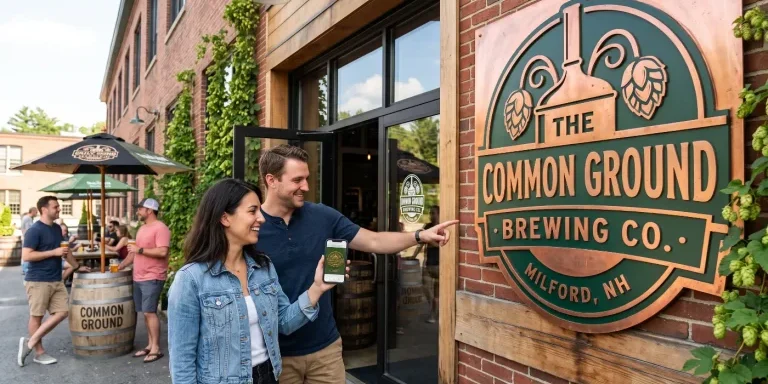
Brand Consistency: Make Your Site & Sign Match
Your website looks sharp. Your storefront sign looks fine. Your business cards came back a slightly different shade of blue than you remembered. Each one on its own seems like a small thing. Together, they cost you customers and money. Brand consistency is whether everything a customer sees from you looks and sounds like it…
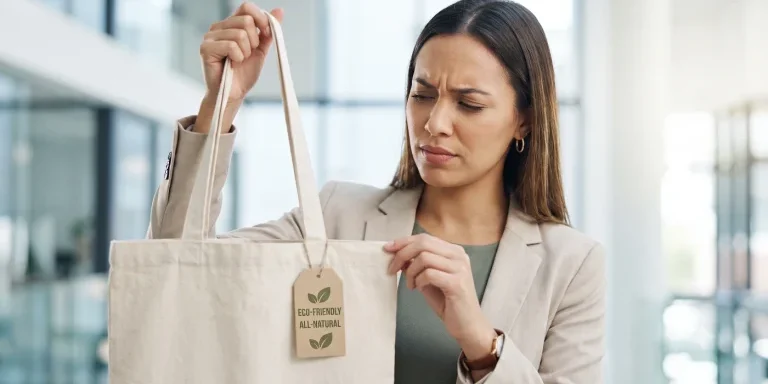
Sustainable Promotional Products: A Buyer’s Reality Check
That recycled tote you ordered for the trade show has a problem. The product page called it eco-friendly, you felt good about the choice, and you moved on. Here is the uncomfortable part: when auditors actually test merchandise carrying self-declared green labels, close to half cannot back up the claim. The word on the page…
What Is AI Search Readiness and How Can Local Businesses Improve Visibility?
Your next lead may begin with an AI agent researching your company before a person ever visits your website or contacts your team. Google is expanding the ways its AI-powered Search tools can help people find and compare local providers. A customer can describe what they need, ask Google to research nearby businesses, and use…
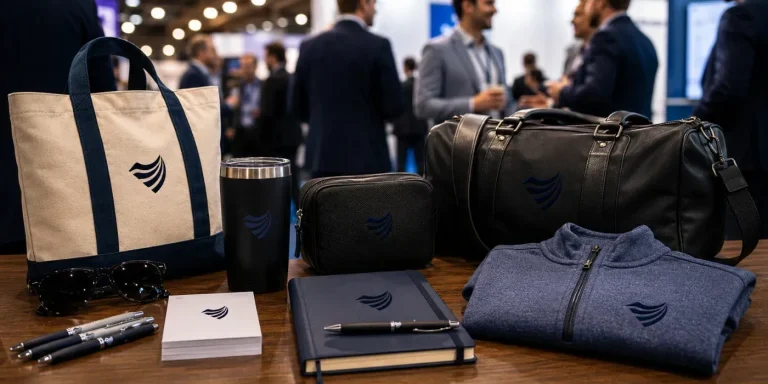
Premium vs. Volume: Rethinking Your Promotional Products Budget
You order 500 pens for the trade show. They cost a little over a dollar each, they have your logo, and they feel like a responsible use of the budget. Three weeks later, most of them are in a junk drawer, a parking lot, or a trash can. A few never made it out of…
Omnichannel Marketing Solutions
Merging creativity and technology for comprehensive brand experiences.

PIXELS
Harnessing digital platforms for impactful brand promotion and audience engagement through strategic touchpoints.

PROMOS
Making the intangible tangible through high-quality promotional items that echo your brand's voice and values.

PLACES
Transforming physical environments into powerful brand narratives that forge connections with everyone who enters your space.