

Branded Koozies and Sunglasses Aren’t Lazy: High-Yield Summer Promotional Products
Someone on your team just rolled their eyes at the idea of branded sunglasses. Too obvious. Too expected. Let’s do something clever instead, maybe a little desk gadget or a puzzle nobody asked for. That instinct feels smart. It usually costs you the campaign.
Here’s the part most people miss: the “clever” item lives on a shelf in one person’s office, where almost no one sees it. Meanwhile, the “boring” pair of sunglasses rides along to the beach, the cookout, and the kid’s Saturday ballgame for three straight months. So one of those things is marketing. The other is a paperweight.
That is why simple summer promotional products often outperform novelty swag. They show up in real outdoor settings, where people are already looking for shade, cold drinks, and easy-use items they do not have to think about.
So if you want your summer giveaway to earn its keep, the obvious choices, custom sunglasses and can coolers, tend to win. Not because they’re easy, but because of how people behave. Let’s walk through why that happens, and how to do it without ending up with a box of swag headed for the trash.
For brands planning company picnics, outdoor trade shows, tailgates, beach events, or summer customer giveaways, the best branded merchandise is not always the flashiest item. It is usually the item people keep using where other people can see it.
Why Useful Summer Promotional Products Beat Clever Swag?
The whole game with promotional products comes down to one thing: does the recipient keep it and use it? After all, an item the recipient tosses in a drawer generates exactly zero impressions. But an item people reach for every day works for you for months.
That is what separates useful promotional products from novelty swag. A branded item only earns impressions when it becomes part of someone’s normal routine, whether that means a can cooler at a barbecue, sunglasses at a festival, or a tote bag at a summer event.
Industry research has been consistent on this for years. For example, people hold onto a useful promotional item for around eight months on average, while a typical piece of direct mail is gone within a month. And when you ask recipients why they keep something, the answer is almost always the same: it’s useful. In fact, roughly 8 in 10 cite usefulness as the main reason a freebie survives on their desk, in their bag, or on their face.

This is also why usefulness matters for brand recall. ASI’s promotional products research has repeatedly connected branded merchandise with memory, impressions, and positive advertiser perception, especially when the item is practical enough to keep using.
Usefulness also shapes how people feel about you. In fact, surveys of recipients regularly find that promotional products earn a more positive opinion than TV, radio, print, or digital ads. That makes sense. After all, a banner ad interrupts someone, while a can cooler keeps their drink cold at a barbecue. One feels like a nuisance, the other feels like a small favor.
For summer promotional products, that small favor matters. People do not need to be convinced to use something that keeps a drink cold, blocks glare, or makes an outdoor event easier to enjoy.
How Branded Koozies and Sunglasses Lower Cost Per Impression?
The Math Hiding Inside a $1 Koozie
The number that matters most isn’t the price tag. Instead, it’s the cost per impression: what you paid for the item divided by how many times someone sees your logo over its lifetime. For example, a clever gadget might cost $15 and reach a handful of coworkers. A pair of branded sunglasses, by contrast, might cost a dollar or two and reach hundreds of strangers at a crowded park.
That simple math is why low-cost promotional products can outperform higher-priced novelty items. The right summer giveaway does not just reach the person who receives it; it reaches the crowd around them.
That’s the quiet advantage of summer staples: people use them in public. So every time someone wears your sunglasses at a festival or holds your can cooler at a tailgate, your logo lands in front of a new audience you never had to pay for. As a result, the cost per impression drops to a fraction of a cent, and the reach keeps stretching when people pass items along to friends instead of throwing them out.

Outdoor event giveaways work especially well because the setting does half the job. Company picnics, tailgates, golf outings, beach events, and summer trade shows all put branded items in motion instead of leaving them hidden in a drawer.
For what it’s worth, end-buyer studies put the return on promotional merchandise at roughly six dollars in sales for every dollar spent. Still, treat that as a directional signal rather than a guarantee, because results depend heavily on the item, the audience, and how you run the campaign. But the underlying logic holds: cheap, useful, and public is a hard combination to beat.
Why Cheap Summer Swag Hurts Brand Perception?
Now the catch. The reason “obvious” items get a bad reputation isn’t the idea, it’s the execution. Flimsy sunglasses that crack in a beach bag, foam koozies that lose their shape after one use, logos that peel off by August. Poor quality doesn’t just waste your money. It actively hurts how people see your brand.
That is why quality control matters with summer promotional products. The same item can feel like a useful branded giveaway or a disposable throwaway depending on the lens protection, frame material, koozie fabric, and imprint method.
Most recipients say the physical quality of a giveaway shapes their opinion of the company that handed it out, and a cheap-feeling item reads as a cheap-feeling business. The good news is that a handful of specific choices separate a keeper from a throwaway. You don’t need to be an expert, you just need to know what to ask for.

How to Choose Summer Promotional Products People Actually Keep?
Branded Sunglasses: the specs that matter
- Insist on UV400 lenses. This blocks 100% of UVA and UVB rays. It matters more than people realize, because dark lenses without UV protection actually make things worse: they cause pupils to widen and let in more harmful light. So skip this, and you’re handing out something people throw away once they learn better. For branded sunglasses, UV protection is not a bonus feature. It is the baseline that makes the product safe, useful, and worth wearing at outdoor events.
- Upgrade the frame material. Standard cheap frames use brittle plastic that snaps. Polycarbonate or polypropylene frames, however, survive a toss into a bag or glovebox. Recycled plastic and wheat straw options also score points with eco-minded audiences. Those material choices also help the product feel less like disposable event swag and more like a summer accessory people will actually keep.
- Keep the branding clean. A small logo on the temple arm looks like real eyewear someone wants to wear. A logo splashed across the lens, however, looks like a giveaway someone wants to hide. And people actually wear subtle branding in public, which is the entire point. Clean logo placement matters because branded sunglasses work best when they look wearable first and promotional second.
Can coolers: the specs that matter
- Choose neoprene over budget foam. Cheap polyurethane foam stretches out and goes limp. Neoprene, the wetsuit material, keeps its snug fit and lasts for years, so it stays in rotation instead of landing in the trash. For custom koozies and promotional can coolers, the material is often the difference between one-time use and repeat brand exposure.
- Use dye sublimation for full-color designs. Standard screen printing is fine for a simple one-color logo. For anything detailed, dye sublimation fuses the ink into the fabric so it won’t crack or peel when the cooler stretches over a can. That makes dye sublimation a better fit for full-color logos, event artwork, branded patterns, and summer campaign designs that need to survive more than one afternoon.
- Consider a small upgrade with high payoff. For instance, magnetic coolers stick to a truck tailgate or a grill, while color-changing versions react to a warm hand. Little touches like these get people talking and posting. The best upgrades still protect the core utility. They make the can cooler more noticeable without turning it into a gimmick.
How to Plan Summer Promotional Giveaways That Get Used?
You don’t need a complicated process. You need four decisions made well.
1. Pick utility over novelty. Before you order anything, ask one question: will the recipient use this during a normal summer day? Think blocking glare, keeping a drink cold, carrying their stuff. If the answer is yes, then you’re on the right track. But if the item only makes sense as a gimmick, put it back. This is the simplest filter for summer promotional products. If the item solves a real outdoor problem, it has a better chance of becoming something people keep instead of something they take only because it was free.
2. Design for the crowd, not just the recipient. Summer items work because people use them in public, so design for the audience that will see them secondhand. People wear clean, minimal, stylish branding out in the world. Loud, cluttered branding, by contrast, stays home. Remember, you’re designing a small billboard that a real person has to want to carry. That matters most with branded sunglasses, custom koozies, tote bags, hats, and other outdoor event giveaways. The more wearable or usable the item looks, the more often your logo travels beyond the original handoff.
3. Spend where it counts. You don’t need the most expensive item. Instead, you need the right specs on the parts that decide whether someone keeps it: UV400 lenses, neoprene instead of foam, printing that won’t peel. Run the cost-per-impression math, and a slightly nicer item almost always wins, because it survives long enough to keep earning. For custom can coolers and promotional sunglasses, the “upgrade” is usually not about luxury. It is about choosing the material, lens protection, and imprint method that keep the product useful through the whole summer campaign.
4. Order on the calendar, not the deadline. Line up your order with your summer event schedule, and build in time for production. Of course, rush options exist when plans move fast, but the smoother path is starting a few weeks ahead, so you’re not paying a premium or scrambling the week of the festival. This is especially important for company picnics, outdoor trade shows, golf outings, beach events, and tailgate promotions, where the event date decides the real deadline.
See It Play Out
Picture how this plays out. For example, a growing tech company shows up to an outdoor summer trade show and, instead of handing out the same plastic pens as everyone else, drops a quality pair of matte sunglasses in each registration bag. By the afternoon networking session, half the attendees are wearing them in the sun. As a result, the booth becomes the one everyone can literally see across the lawn. That’s not a fluke, but what happens when a useful item meets a public setting. The same logic applies across summer event marketing. Swap in a boutique using branded sunglasses as a gift with purchase, or a beverage brand handing out coolers at a tailgate, and the pattern repeats.
Why Obvious Summer Promotional Products Often Deliver the Best ROI?
Clever has its place. But when the goal is real, repeated exposure on a small budget, the items people dismiss as too obvious are usually the ones that work hardest. After all, sunglasses and can coolers do real work: people wear them, spot them on others, and pass them along, all summer long, for pennies per impression.
That is what makes them high-yield summer promotional products. They combine everyday utility, public visibility, low unit cost, and repeat use in a way many novelty giveaways never do.
The trick is sweating the details that decide whether your giveaway becomes a favorite or a throwaway. That’s the part worth getting right, and it’s exactly the kind of thing our PROMOS team at Brandit Marketing Solutions works through every day, from picking materials to nailing the imprint to timing the order around your events.
Whether you are planning branded sunglasses, custom koozies, can coolers, or a broader summer giveaway kit, the right call usually comes down to audience, setting, product quality, and how people will actually use the item.
Planning summer giveaways and want a second opinion on what will actually get used? Reach out and we’ll talk it through. No pitch, just a straight answer on the products and specs that fit your goals.
FAQs About Promotional Products & Giveaways
Are koozies good promotional products?
Yes. Koozies are good promotional products because they are useful, low-cost, easy to hand out in bulk, and often used in public settings. They work especially well at tailgates, company picnics, brewery events, beach outings, and summer festivals.
Are branded sunglasses good giveaways?
Branded sunglasses are good giveaways when they include UV protection, comfortable frames, and clean logo placement. They are useful at outdoor trade shows, golf outings, beach events, charity runs, and summer customer events where people need sun protection.
What are the best summer promotional products for outdoor events?
The best summer promotional products are items people can use immediately in heat, sun, or social settings. Strong options include branded sunglasses, custom koozies, can coolers, hats, sunscreen, water bottles, tote bags, towels, and handheld fans.
What is better for summer giveaways: koozies or sunglasses?
Koozies are better for beverage-centered events like tailgates, brewery promotions, and company picnics. Sunglasses are better for sunny outdoor events like festivals, golf outings, beach events, and trade shows. Many summer campaigns work best when both are used together.
What should I look for in custom koozies?
Look for the right material, drink fit, and print method. Foam koozies are budget-friendly, while neoprene koozies usually last longer and feel better. For full-color designs, dye sublimation helps prevent cracking, peeling, or fading.
What should I look for in branded sunglasses?
Look for UV400 or 100% UVA/UVB protection, durable frames, comfortable fit, and subtle logo placement. A small logo on the temple arm usually feels more wearable than a large logo across the lens.
Are foam or neoprene koozies better?
Foam koozies are better for low-cost bulk giveaways. Neoprene koozies are better when durability, feel, and repeat use matter. For higher-retention campaigns, neoprene usually gives the product a more useful and premium feel.
Do promotional sunglasses need UV protection?
Yes. Promotional sunglasses should include UV400 or 100% UVA/UVB protection. Dark lenses without proper UV protection can make sunglasses less useful and may cause people to avoid wearing them once they realize the quality is poor.
How early should you order summer promotional products?
Order summer promotional products several weeks before the event whenever possible. This gives time for product selection, artwork approval, production, shipping, and any proofing changes before the event date.
What summer events are best for branded koozies and sunglasses?
Branded koozies and sunglasses work well for company picnics, outdoor trade shows, golf outings, beach events, charity runs, tailgates, brewery events, retail promotions, and summer employee appreciation events.
How do promotional products create brand impressions?
Promotional products create brand impressions when people use them repeatedly or in public. A can cooler at a tailgate or sunglasses at a festival can put a logo in front of the recipient and the people around them.
How do you choose promotional products people will actually keep?
Choose products that solve a real problem for the recipient. For summer, that usually means keeping drinks cold, blocking glare, carrying items, staying hydrated, or making an outdoor event more comfortable.
- Why Useful Summer Promotional Products Beat Clever Swag?
- How Branded Koozies and Sunglasses Lower Cost Per Impression?
- Why Cheap Summer Swag Hurts Brand Perception?
- How to Plan Summer Promotional Giveaways That Get Used?
- Why Obvious Summer Promotional Products Often Deliver the Best ROI?
- FAQs About Promotional Products & Giveaways
Ready to Take Your Brand Beyond Ordinary?
Your marketing shouldn’t just exist. It should perform. If you’re done settling for “good enough,” let’s build something impossible to ignore. Brandit helps you connect every digital, physical, and promotional touchpoint into one unstoppable brand experience.
Real Results,
Real Reactions
What Our Clients Say

"I sent out three bids for my marketing needs for this year and Brandit was the most responsive and provided great ideas. One company I reached out hadn't even gotten back to me while the other wasn't even close to being comparable to Brandit's creativity, pricing and service."
"I have used Brandit for several projects and they always come through with fantastic pricing and customer service. I highly recommend them."
Southern New Hampshire University

"Thanks to Brandit's generous contribution to the Big Ideas for Building Independence Capital Campaign, Easterseals NH is now better able to serve people with disabilities or special needs. With your support, we raised nearly $2.6 million for renovations to our headquarters."
"It has been an incredible journey! We couldn't have done it without you, and wish to take this opportunity to thank you and your team at Brandit Marketing Solutions for all that you have done and your generous donation."
Easterseals, NH

"Bringing Brandit Marketing Solutions into the CMC-fold is the best thing and most appreciative thing I've done since being at the Hospital."
Catholic Medical Center
"Exceptional does not even begin to cover the work that these people do. I have worked closely with other marketing firms and Brandit tops them every time. From innovative ideas to customer service that rivals the best of the best. I just couldn't speak more highly of them."
Southern New Hampshire University

"The Granite Group, headquartered in Concord, NH, distributes plumbing, heating, cooling, water and propane supplies to contractors and fuel dealers across New England through over 45 wholesale branches and their Online Store. The company also operates 15 retail showrooms under The Ultimate Bath Store name.
Brandit is pleased to say that we have been working with the Granite Group for over ten years which happens to be almost as long as this company has been in existence. In 2020, TGG was named one of New Hampshire's best places to work."
The Granite Group
10+ Year Partnership

"Over my long career, I have been in a position where I have worked closely with numerous vendors/suppliers. I can honestly say that I have never engaged with a company that is as amazing and responsive as Brandit."
"A sincere thanks to the team for the hustle on getting our shirts and tradeshow materials done for our group! You really relieved our pressure and I know it wasn't an easy task. Your effort and turnaround time was and is appreciated. Believe me when I say that I do not take for granted the relationship we have built over the years. Your service is top notch."
C&S Wholesale Grocers

"For almost a decade, the team at Brandit delivered successful and effective marketing solutions, spearheaded the merchandising of the FIRST brand by creating one-of-a-kind products, built, hosted, and managed their very first ecommerce store supporting all programs, staff, partners, sponsors, teams, and customers globally.
In addition, Brandit set up and managed multiple on-site retail stores at their premier Championship events where we serviced over 65,000 attendees. Today we provide web services as well as branded merchandise for regional partners".
FIRST Robotics
"The Brandit Marketing Solutions Ltd Team is wonderful to work with and we appreciate what they do to make us look good! They have expanded their services in recent years to meet whatever marketing needs you may have…from apparel and giveaway items to video and web services to graphic design and printing services, even graphic enhancements for your interior/exterior office space."
"I have worked with this team since the founding of their company and look forward to many more years of working together!"
Boys & Girls Club of Manchester

"The Brandit team is a talented group of creative professionals that I've worked with for years. Top notch!"
Art Murphy
Our Insights
.
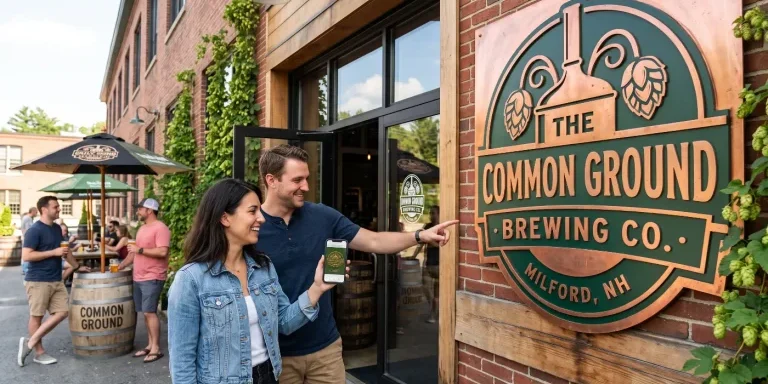
Brand Consistency: Make Your Site & Sign Match
Your website looks sharp. Your storefront sign looks fine. Your business cards came back a slightly different shade of blue than you remembered. Each one on its own seems like a small thing. Together, they cost you customers and money. Brand consistency is whether everything a customer sees from you looks and sounds like it…
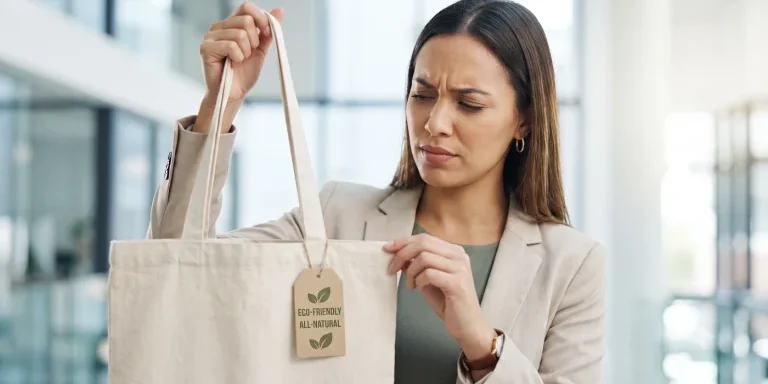
Sustainable Promotional Products: A Buyer’s Reality Check
That recycled tote you ordered for the trade show has a problem. The product page called it eco-friendly, you felt good about the choice, and you moved on. Here is the uncomfortable part: when auditors actually test merchandise carrying self-declared green labels, close to half cannot back up the claim. The word on the page…
What Is AI Search Readiness and How Can Local Businesses Improve Visibility?
Your next lead may begin with an AI agent researching your company before a person ever visits your website or contacts your team. Google is expanding the ways its AI-powered Search tools can help people find and compare local providers. A customer can describe what they need, ask Google to research nearby businesses, and use…
Premium vs. Volume: Rethinking Your Promotional Products Budget
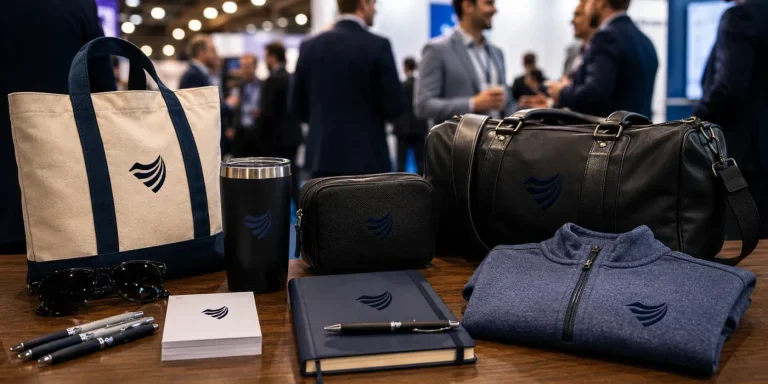
You order 500 pens for the trade show. They cost a little over a dollar each, they have your logo, and they feel like a responsible use of the budget. Three weeks later, most of them are in a junk drawer, a parking lot, or a trash can. A few never made it out of…
Holiday SEO Timeline: Why December Rankings Start in Summer
The businesses that dominate search results this December made their move back in July. Not out of habit. They moved early because search rewards steady, consistent work in a way that no last-minute push can replicate. Holiday SEO is not a campaign you switch on when the decorations come out. It is an advantage you…

Corporate Holiday Gifting Timeline: Why Q4 Planning Starts in July
Here is the part nobody tells you about corporate gifting: the best time to lock in your holiday program is right now, in July. Not October. Not “right after Halloween.” July. That sounds early enough to be a joke. It is not. The companies that run corporate gifting well, sending memorable and on-time gifts to…

Website Performance Audit: Why Q3 Beats Q4 Every Time
Your website traffic is about to drop. Vacations start, inboxes go quiet, and the steady hum of summer browsing replaces the urgency of buying season. Most businesses read that slowdown as a reason to coast. That is the expensive mistake. The quiet stretch from July through September is the best window all year to run…

Summer Foot Traffic: Win It With a Mobile-First Website
Picture a family on a sidewalk in Portsmouth on a Saturday in July. It is 86 degrees, the kids are hungry, and someone pulls out a phone and types “lunch near me.” Three places show up on the map. They tap the first one. If that site loads fast and the menu is right there,…

Modern Phishing Scams: What Smart Businesses Need to Know
The old advice for spotting a scam email no longer works. Watch for bad spelling, awkward grammar, and a generic greeting, and you were safe. That rule protected people for years. Modern phishing scams have erased every one of those tells. Attackers now write clean, personalized messages, hide their links inside images, and move the…

Stale Service Pages Tell Google You’ve Closed. Here’s How to Tell It You Haven’t
Your phone used to ring. Then it slowed. Now your top service page sits on page two of Google, and you have no idea why. Nothing is broken. Your site loads. Your contact form works. Your services are the same ones you offered last year, and the year before that. So what changed? Probably nothing…
Omnichannel Marketing Solutions
Merging creativity and technology for comprehensive brand experiences.

PIXELS
Harnessing digital platforms for impactful brand promotion and audience engagement through strategic touchpoints.

PROMOS
Making the intangible tangible through high-quality promotional items that echo your brand's voice and values.

PLACES
Transforming physical environments into powerful brand narratives that forge connections with everyone who enters your space.