
The Power of User-Generated Content in Marketing
User-Generated Content: The Power of Authentic Marketing
Today, user-generated content (UGC) has emerged as one of the most powerful tools in modern marketing. As consumers increasingly value authenticity and relatability, UGC provides a unique way to engage audiences, inspire trust, and build brand loyalty. In this article, we’ll explore the impact of user-generated content on marketing, its benefits, and how brands can successfully harness its potential.
What Is User-Generated Content?
User-generated content refers to any form of content—text, photos, videos, reviews, or social posts—created by consumers rather than brands. This content typically lives on social media platforms, review sites, or other online communities. It can include everything from a customer’s Instagram post about their favorite product to a testimonial video or a detailed product review.
Understanding the essence of UGC is the first step toward leveraging it effectively to create authentic, long-lasting connections with your audience.
The Impact of User-Generated Content on Marketing
- Authenticity and Trust: UGC stands out because it’s real and relatable. In a world flooded with ads, consumers trust content from their peers far more than brand-driven messages. A Nielsen study found that 92% of consumers trust organic, user-generated content more than traditional advertising.
- Engagement and Community Building: When customers create content, they invite others to engage. This ripple effect builds a sense of community, amplifying brand visibility and fostering stronger consumer relationships.
- Cost-Effectiveness: Producing professional content can be costly, but UGC offers a sustainable, budget-friendly alternative. By leveraging customer contributions, brands can maintain a steady stream of engaging, authentic material without significant production expenses.
These factors explain why UGC has become essential to every successful marketing strategy—it blends authenticity with scalability.
Key Benefits of User-Generated Content
- Increased Brand Awareness: Every time a user posts about your product or service, they introduce your brand to their followers, expanding your organic reach and visibility.
- Improved SEO: UGC contributes fresh, relevant content that boosts search visibility. Reviews, testimonials, and comments increase keyword diversity and drive traffic, improving your overall SEO performance.
- Enhanced Customer Insights: Analyzing user-created content helps brands understand customer preferences, behaviors, and motivations—valuable insights for product development and marketing refinement.
- Stronger Brand Loyalty: Recognizing and sharing UGC makes customers feel appreciated. This acknowledgment builds emotional connections, encouraging repeat engagement and long-term loyalty.
UGC benefits extend beyond immediate engagement; they help brands foster loyalty, authenticity, and sustainable growth.
The Importance of UGC in Modern Marketing
- Consumer Empowerment: UGC shifts the power dynamic, giving consumers a voice. When people feel heard and valued, they engage more deeply with brands.
- Social Proof: Seeing others use and enjoy a product builds trust. Reviews, photos, and videos serve as powerful endorsements that influence purchase decisions.
- Diversity of Content: UGC introduces fresh perspectives, voices, and experiences—making a brand’s marketing content more inclusive and relatable to a wider audience.
Recognizing the importance of UGC allows brands to create more authentic, inclusive, and effective marketing strategies.
Successful Case Studies in User-Generated Content
- Coca-Cola’s “Share a Coke” Campaign: By replacing its logo with popular first names, Coca-Cola encouraged customers to find personalized bottles and share photos online. The campaign generated massive engagement and a 2% increase in U.S. sales.
- GoPro’s Customer Videos: GoPro built its entire brand on UGC. By spotlighting customer-shot videos, the company created a thriving community of content creators showcasing real product performance.
- Starbucks’ White Cup Contest: Starbucks invited customers to decorate their signature white cups and share their designs on social media. The winning design was turned into a limited-edition cup, boosting engagement and showcasing customer creativity.
These examples show how powerful UGC can be in transforming customers into brand advocates and content collaborators.
How to Encourage User-Generated Content
- Create Engaging Campaigns: Use contests, challenges, or branded hashtags to inspire participation. Make it fun and rewarding for users to share content.
- Highlight User Content: Regularly feature customer photos, videos, or testimonials on your website and social channels. This recognition motivates others to contribute.
- Provide Clear Guidelines: Offer clear instructions and examples so users understand your brand’s style, tone, and expectations.
- Engage with Contributors: Respond to and share user content. Interaction strengthens community bonds and encourages continued participation.
Strategic planning and genuine engagement are the keys to generating a consistent flow of valuable, authentic user content.
Conclusion
User-generated content is more than a marketing trend—it’s a reflection of today’s consumer-driven culture. By tapping into authentic voices, brands can build trust, expand reach, and foster loyalty that traditional advertising can’t achieve. UGC offers a cost-effective, scalable, and genuine way to connect with audiences and strengthen brand relationships.
As digital marketing evolves, brands that embrace and elevate user-generated content will lead the way in authenticity and engagement. Encouraging users to become creators not only boosts visibility but transforms customers into true brand ambassadors—driving long-term success in a connected world.
- User-Generated Content: The Power of Authentic Marketing
- What Is User-Generated Content?
- The Impact of User-Generated Content on Marketing
- Key Benefits of User-Generated Content
- The Importance of UGC in Modern Marketing
- Successful Case Studies in User-Generated Content
- How to Encourage User-Generated Content
- Conclusion
Ready to Take Your Brand Beyond Ordinary?
Your marketing shouldn’t just exist. It should perform. If you’re done settling for “good enough,” let’s build something impossible to ignore. Brandit helps you connect every digital, physical, and promotional touchpoint into one unstoppable brand experience.
Real Results,
Real Reactions
What Our Clients Say

"I sent out three bids for my marketing needs for this year and Brandit was the most responsive and provided great ideas. One company I reached out hadn't even gotten back to me while the other wasn't even close to being comparable to Brandit's creativity, pricing and service."
"I have used Brandit for several projects and they always come through with fantastic pricing and customer service. I highly recommend them."
Southern New Hampshire University

"Thanks to Brandit's generous contribution to the Big Ideas for Building Independence Capital Campaign, Easterseals NH is now better able to serve people with disabilities or special needs. With your support, we raised nearly $2.6 million for renovations to our headquarters."
"It has been an incredible journey! We couldn't have done it without you, and wish to take this opportunity to thank you and your team at Brandit Marketing Solutions for all that you have done and your generous donation."
Easterseals, NH

"Bringing Brandit Marketing Solutions into the CMC-fold is the best thing and most appreciative thing I've done since being at the Hospital."
Catholic Medical Center
"Exceptional does not even begin to cover the work that these people do. I have worked closely with other marketing firms and Brandit tops them every time. From innovative ideas to customer service that rivals the best of the best. I just couldn't speak more highly of them."
Southern New Hampshire University

"The Granite Group, headquartered in Concord, NH, distributes plumbing, heating, cooling, water and propane supplies to contractors and fuel dealers across New England through over 45 wholesale branches and their Online Store. The company also operates 15 retail showrooms under The Ultimate Bath Store name.
Brandit is pleased to say that we have been working with the Granite Group for over ten years which happens to be almost as long as this company has been in existence. In 2020, TGG was named one of New Hampshire's best places to work."
The Granite Group
10+ Year Partnership

"Over my long career, I have been in a position where I have worked closely with numerous vendors/suppliers. I can honestly say that I have never engaged with a company that is as amazing and responsive as Brandit."
"A sincere thanks to the team for the hustle on getting our shirts and tradeshow materials done for our group! You really relieved our pressure and I know it wasn't an easy task. Your effort and turnaround time was and is appreciated. Believe me when I say that I do not take for granted the relationship we have built over the years. Your service is top notch."
C&S Wholesale Grocers

"For almost a decade, the team at Brandit delivered successful and effective marketing solutions, spearheaded the merchandising of the FIRST brand by creating one-of-a-kind products, built, hosted, and managed their very first ecommerce store supporting all programs, staff, partners, sponsors, teams, and customers globally.
In addition, Brandit set up and managed multiple on-site retail stores at their premier Championship events where we serviced over 65,000 attendees. Today we provide web services as well as branded merchandise for regional partners".
FIRST Robotics

"The Brandit Marketing Solutions Ltd Team is wonderful to work with and we appreciate what they do to make us look good! They have expanded their services in recent years to meet whatever marketing needs you may have…from apparel and giveaway items to video and web services to graphic design and printing services, even graphic enhancements for your interior/exterior office space."
"I have worked with this team since the founding of their company and look forward to many more years of working together!"
Boys & Girls Club of Manchester

"The Brandit team is a talented group of creative professionals that I've worked with for years. Top notch!"
Art Murphy
Our Insights
.
Brand Consistency: Make Your Site & Sign Match
Your website looks sharp. Your storefront sign looks fine. Your business cards came back a slightly different shade of blue than you remembered. Each one on its own seems like a small thing. Together, they cost you customers and money. Brand consistency is whether everything a customer sees from you looks and sounds like it…

Sustainable Promotional Products: A Buyer’s Reality Check
That recycled tote you ordered for the trade show has a problem. The product page called it eco-friendly, you felt good about the choice, and you moved on. Here is the uncomfortable part: when auditors actually test merchandise carrying self-declared green labels, close to half cannot back up the claim. The word on the page…
What Is AI Search Readiness and How Can Local Businesses Improve Visibility?
Your next lead may begin with an AI agent researching your company before a person ever visits your website or contacts your team. Google is expanding the ways its AI-powered Search tools can help people find and compare local providers. A customer can describe what they need, ask Google to research nearby businesses, and use…
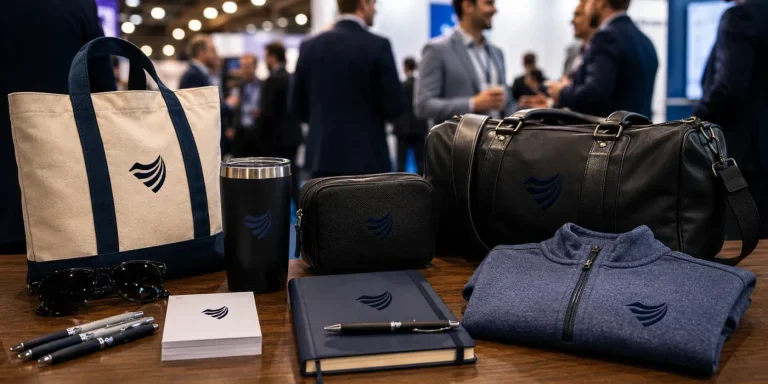
Premium vs. Volume: Rethinking Your Promotional Products Budget
You order 500 pens for the trade show. They cost a little over a dollar each, they have your logo, and they feel like a responsible use of the budget. Three weeks later, most of them are in a junk drawer, a parking lot, or a trash can. A few never made it out of…

Holiday SEO Timeline: Why December Rankings Start in Summer
The businesses that dominate search results this December made their move back in July. Not out of habit. They moved early because search rewards steady, consistent work in a way that no last-minute push can replicate. Holiday SEO is not a campaign you switch on when the decorations come out. It is an advantage you…

Corporate Holiday Gifting Timeline: Why Q4 Planning Starts in July
Here is the part nobody tells you about corporate gifting: the best time to lock in your holiday program is right now, in July. Not October. Not “right after Halloween.” July. That sounds early enough to be a joke. It is not. The companies that run corporate gifting well, sending memorable and on-time gifts to…

Website Performance Audit: Why Q3 Beats Q4 Every Time
Your website traffic is about to drop. Vacations start, inboxes go quiet, and the steady hum of summer browsing replaces the urgency of buying season. Most businesses read that slowdown as a reason to coast. That is the expensive mistake. The quiet stretch from July through September is the best window all year to run…

Summer Foot Traffic: Win It With a Mobile-First Website
Picture a family on a sidewalk in Portsmouth on a Saturday in July. It is 86 degrees, the kids are hungry, and someone pulls out a phone and types “lunch near me.” Three places show up on the map. They tap the first one. If that site loads fast and the menu is right there,…

Modern Phishing Scams: What Smart Businesses Need to Know
The old advice for spotting a scam email no longer works. Watch for bad spelling, awkward grammar, and a generic greeting, and you were safe. That rule protected people for years. Modern phishing scams have erased every one of those tells. Attackers now write clean, personalized messages, hide their links inside images, and move the…

Branded Koozies and Sunglasses Aren’t Lazy: High-Yield Summer Promotional Products
Someone on your team just rolled their eyes at the idea of branded sunglasses. Too obvious. Too expected. Let’s do something clever instead, maybe a little desk gadget or a puzzle nobody asked for. That instinct feels smart. It usually costs you the campaign. Here’s the part most people miss: the “clever” item lives on…
Omnichannel Marketing Solutions
Merging creativity and technology for comprehensive brand experiences.

PIXELS
Harnessing digital platforms for impactful brand promotion and audience engagement through strategic touchpoints.

PROMOS
Making the intangible tangible through high-quality promotional items that echo your brand's voice and values.

PLACES
Transforming physical environments into powerful brand narratives that forge connections with everyone who enters your space.