

A Comprehensive Marketing Plan: Step-by-Step Guide
Whether you’re launching a new product, expanding your services, or aiming to increase market share, a comprehensive marketing plan serves as your roadmap to achieving your business goals. This guide will walk you through the process of developing a marketing plan that aligns with your objectives and resonates with your target audience.
1. Introduction
A marketing plan is a strategic document that outlines your marketing goals, target audience, competitive landscape, and the tactics you’ll employ to achieve your objectives. It’s not just about promoting your products or services; it’s about understanding your market, identifying opportunities, and creating a cohesive strategy that aligns with your overall business goals.
In this post, we’ll guide you through the essential steps to develop a comprehensive marketing plan that will help you navigate the complexities of modern marketing and drive your business forward.
2. Understanding Your Business and Market
Before diving into the specifics of your marketing plan, it’s crucial to have a clear understanding of your business and the market you operate in. This foundational knowledge will inform every aspect of your marketing strategy.
Start by conducting a thorough SWOT analysis:
- Strengths: What unique advantages does your business have?
- Weaknesses: Where does your business need improvement?
- Opportunities: What external factors could you leverage for growth?
- Threats: What external challenges could hinder your success?
Next, analyze your market:
- Market size and growth potential
- Key trends and developments
- Competitive landscape
- Regulatory environment
This research will help you identify your unique selling proposition (USP) and position your business effectively in the market.
3. Defining Your Target Audience
One of the most critical aspects of a successful marketing plan is understanding your target audience. Today’s consumers expect personalized experiences and messaging that speak directly to their needs and preferences.
To define your target audience:
- Create detailed buyer personas
- Conduct market research (surveys, interviews, focus groups)
- Analyze your current customer base
- Study your competitors’ audiences
Consider factors such as:
- Demographics (age, gender, income, education, location)
- Psychographics (interests, values, lifestyle, personality)
- Behavior patterns (purchasing habits, brand preferences, online activity)
- Pain points and challenges
The more specific you can be about your target audience, the more effectively you can tailor your marketing efforts to reach and engage them.
4. Setting Clear Marketing Objectives
With a solid understanding of your business, market, and target audience, you can now set clear, measurable marketing objectives. These should align with your overall business goals and follow the SMART criteria:
- Specific: Clearly define what you want to achieve
- Measurable: Establish metrics to track progress
- Achievable: Set realistic goals given your resources
- Relevant: Align objectives with your broader strategy
- Time-bound: Set deadlines for achieving results
Example objectives might include:
- Increase website traffic by 50% within six months
- Boost customer retention by 20% over the next year
- Achieve $500,000 in sales for a new product line in the first quarter
- Expand into two new geographic markets by year-end
Clear objectives will guide your strategy and help measure success effectively.
5. Developing Your Marketing Strategy
Your marketing strategy outlines how you’ll achieve your objectives. It includes your value proposition, brand positioning, and key messages for your audience.
Key components include:
- Brand strategy: Define your identity, values, and tone
- Positioning strategy: Determine how you want to be perceived in your market
- Content strategy: Plan content that informs and engages
- Pricing strategy: Set prices aligned with brand and audience
- Distribution strategy: Choose how you deliver products or services
Your strategy should remain flexible enough to evolve with the market while staying true to your core brand and goals.
6. Choosing the Right Marketing Channels
Select marketing channels that reach your target audience effectively. A balanced mix ensures coverage across different stages of the customer journey.
- Traditional Channels:
- Print advertising
- Direct mail
- Television and radio
- Outdoor advertising
- Events and trade shows
- Digital Channels:
- Social media marketing
- Content marketing (blogs, videos, podcasts)
- Email marketing
- SEO (search engine optimization)
- PPC (pay-per-click advertising)
- Influencer partnerships
Focus on the platforms where your audience spends the most time. It’s better to excel in a few key areas than spread yourself too thin.
7. Creating a Budget and Resource Allocation Plan
A realistic budget ensures you can execute your plan efficiently and measure ROI accurately. Allocate funds and staff time strategically based on impact potential.
- Reference your overall business budget and forecasts
- Benchmark marketing spend within your industry
- Calculate the cost per channel and expected ROI
- Balance long-term brand-building with short-term conversions
Include both financial and human resources. Determine whether to use internal teams, freelancers, or agencies.
8. Implementing Your Marketing Plan
Now it’s time to bring the plan to life. Create a detailed timeline outlining tasks, deadlines, and responsibilities.
- Develop a content calendar
- Create marketing materials and creative assets
- Set up analytics and tracking systems
- Launch campaigns across your chosen channels
- Monitor progress and communicate with your team
Expect to adjust along the way—marketing plans are living frameworks, not rigid checklists.
9. Measuring and Analyzing Results
Track and evaluate performance regularly to understand what’s working and what needs refinement.
- Website traffic and engagement
- Conversion rates
- Customer acquisition cost (CAC)
- Customer lifetime value (CLV)
- Social media engagement
- Email open and click-through rates
- Return on ad spend (ROAS)
Use tools like Google Analytics, Search Console, and CRM dashboards to analyze trends and present results clearly to stakeholders.
10. Adjusting and Optimizing Your Plan
Regular optimization ensures ongoing improvement. Use data-driven insights to refine your efforts.
- Reallocate budget to high-performing channels
- Update messaging based on audience feedback
- Test new tactics or technologies
- Adjust objectives as business priorities evolve
Stay agile and avoid reactionary changes. Let the data lead the way.
11. Conclusion
Developing a comprehensive marketing plan takes time, research, and adaptability—but it’s one of the most valuable investments your business can make. By understanding your audience, setting measurable goals, and continuously refining your approach, you’ll position your business for sustainable growth.
Remember: your marketing plan isn’t static—it should evolve as your market and goals do. Revisit it regularly to ensure it remains aligned with your vision and the ever-changing landscape of modern marketing.
Ready to Take Your Brand Beyond Ordinary?
Your marketing shouldn’t just exist. It should perform. If you’re done settling for “good enough,” let’s build something impossible to ignore. Brandit helps you connect every digital, physical, and promotional touchpoint into one unstoppable brand experience.
Real Results,
Real Reactions
What Our Clients Say

"I sent out three bids for my marketing needs for this year and Brandit was the most responsive and provided great ideas. One company I reached out hadn't even gotten back to me while the other wasn't even close to being comparable to Brandit's creativity, pricing and service."
"I have used Brandit for several projects and they always come through with fantastic pricing and customer service. I highly recommend them."
Southern New Hampshire University

"Thanks to Brandit's generous contribution to the Big Ideas for Building Independence Capital Campaign, Easterseals NH is now better able to serve people with disabilities or special needs. With your support, we raised nearly $2.6 million for renovations to our headquarters."
"It has been an incredible journey! We couldn't have done it without you, and wish to take this opportunity to thank you and your team at Brandit Marketing Solutions for all that you have done and your generous donation."
Easterseals, NH

"Bringing Brandit Marketing Solutions into the CMC-fold is the best thing and most appreciative thing I've done since being at the Hospital."
Catholic Medical Center
"Exceptional does not even begin to cover the work that these people do. I have worked closely with other marketing firms and Brandit tops them every time. From innovative ideas to customer service that rivals the best of the best. I just couldn't speak more highly of them."
Southern New Hampshire University

"The Granite Group, headquartered in Concord, NH, distributes plumbing, heating, cooling, water and propane supplies to contractors and fuel dealers across New England through over 45 wholesale branches and their Online Store. The company also operates 15 retail showrooms under The Ultimate Bath Store name.
Brandit is pleased to say that we have been working with the Granite Group for over ten years which happens to be almost as long as this company has been in existence. In 2020, TGG was named one of New Hampshire's best places to work."
The Granite Group
10+ Year Partnership

"Over my long career, I have been in a position where I have worked closely with numerous vendors/suppliers. I can honestly say that I have never engaged with a company that is as amazing and responsive as Brandit."
"A sincere thanks to the team for the hustle on getting our shirts and tradeshow materials done for our group! You really relieved our pressure and I know it wasn't an easy task. Your effort and turnaround time was and is appreciated. Believe me when I say that I do not take for granted the relationship we have built over the years. Your service is top notch."
C&S Wholesale Grocers
"For almost a decade, the team at Brandit delivered successful and effective marketing solutions, spearheaded the merchandising of the FIRST brand by creating one-of-a-kind products, built, hosted, and managed their very first ecommerce store supporting all programs, staff, partners, sponsors, teams, and customers globally.
In addition, Brandit set up and managed multiple on-site retail stores at their premier Championship events where we serviced over 65,000 attendees. Today we provide web services as well as branded merchandise for regional partners".
FIRST Robotics

"The Brandit Marketing Solutions Ltd Team is wonderful to work with and we appreciate what they do to make us look good! They have expanded their services in recent years to meet whatever marketing needs you may have…from apparel and giveaway items to video and web services to graphic design and printing services, even graphic enhancements for your interior/exterior office space."
"I have worked with this team since the founding of their company and look forward to many more years of working together!"
Boys & Girls Club of Manchester

"The Brandit team is a talented group of creative professionals that I've worked with for years. Top notch!"
Art Murphy
Our Insights
.
B2B vs B2C Marketing: What Local Brands Should Know in 2026
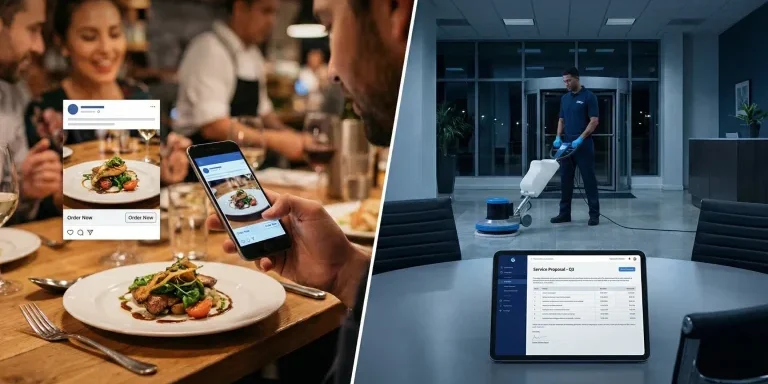
Two businesses. Same city. Same ad budget. Completely different results. A local restaurant owner runs Facebook ads featuring gorgeous food photography. Bookings spike within the week. Meanwhile, a commercial cleaning company runs nearly identical ads — same platform, same spend — and hears nothing. Not a single inquiry. Same tool. Same effort. Completely different outcome.…
Mobile-First Design: Guide, SEO Benefits & Best Practices (2026)
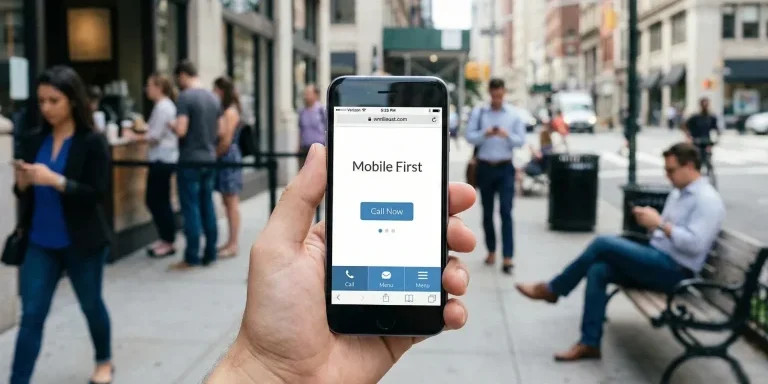
Your website loads on phones. But was it actually built for them? Most businesses still design for desktops first, then try to squeeze everything onto smaller screens. That approach is backward. Your customers aren’t browsing during lunch breaks at their desk anymore. They’re checking you out while standing in line, walking between meetings, or sitting…

WordPress vs Custom Development: Which Is Right for Your Business in 2026?
Which Platform Powers Your Business Goals in 2026? Your website is the foundation of your digital presence. It’s where customers find you, learn about your services, and decide whether to do business with you. So when it’s time to build or rebuild that foundation, one question keeps coming up: Should you use WordPress, or invest…

Website Accessibility Compliance: Legal Requirements and Best Practices for 2026
If your business has a website, 2026 brings a new reality you need to understand. The rules around website accessibility have shifted from “nice to have” to “legally required” for many organizations. What was once voluntary guidance has become a compliance mandate with real deadlines, real enforcement, and real consequences for businesses that fall behind.…
Short-Form Video Content That Converts Local Customers
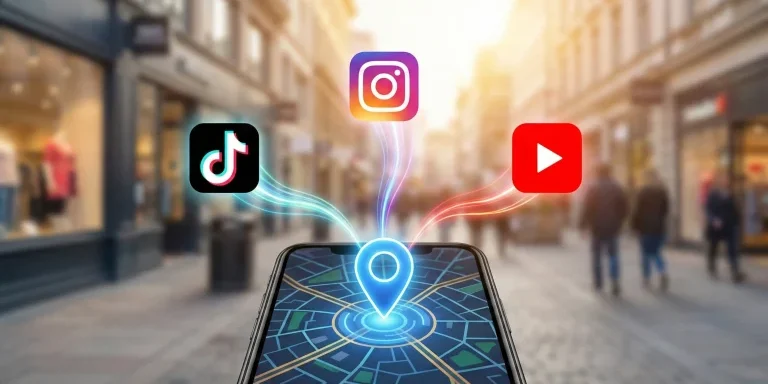
Your competitors are showing up in “Nearby” feeds on TikTok. They’re appearing in Instagram map searches. Their YouTube Shorts are ranking on Google when customers search for services in your area. You’re not. This isn’t about going viral. It’s about being found by the customer driving past your location right now, phone in hand, searching…
AI and SEO: How Machine Learning is Changing Search Rankings
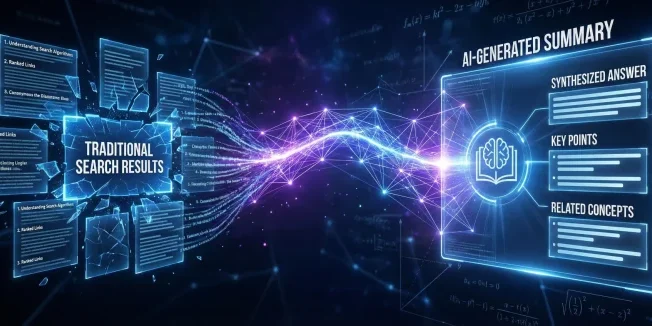
The rules of search just changed. Here’s what your business needs to know. If your website traffic has felt unpredictable lately, you’re not imagining things. Between 2024 and 2025, Google fundamentally rewired how search works. The old playbook—keywords, backlinks, and page rankings—isn’t broken. It’s just incomplete. Search engines aren’t librarians anymore, pointing you to the…

What Are the Best Local SEO Tools for 2026? | Brandit
Did you know that 46% of all Google searches have local intent? And according to recent data, 80% of U.S. consumers search for local businesses at least weekly, while 32% do so daily. (Source). Those numbers prove one thing: Local SEO is no longer optional. It’s essential for any business that relies on nearby customers.…
Local vs Traditional SEO: Which One Does Your Business Need?
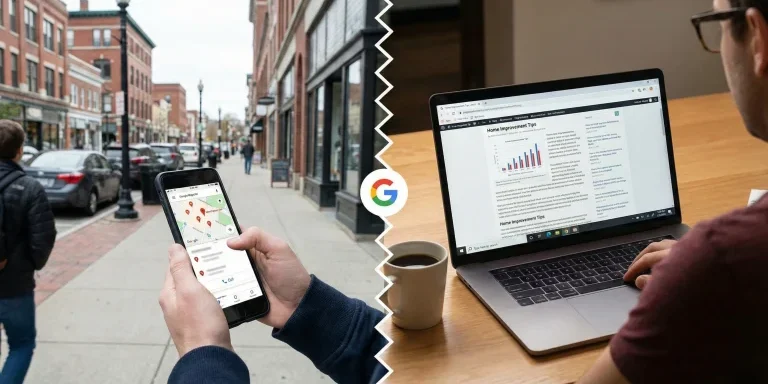
Ever searched “coffee near me” or “roofing contractor in Manchester, NH” and instantly saw Google Maps listings, business reviews, and contact info at the top? Now compare that to searching “best home decor ideas” where blog articles, Pinterest boards, and ecommerce sites dominate. This isn’t a coincidence. It’s Google interpreting your search intent and deciding…
Google Business Profile Optimization: Visuals, Posts & Products That Drive Local SEO
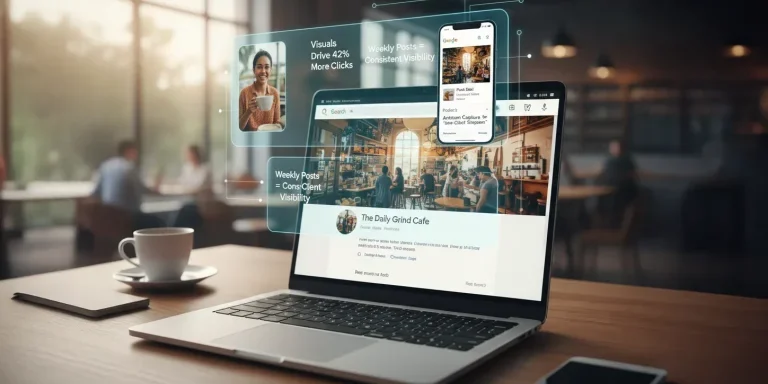
Once your Google Business Profile (GBP) is verified and fully filled out, the next step is engagement and heading into 2026, that’s not optional. Google’s local algorithm now tracks not just what’s on your profile, but how often it’s updated, how visually compelling it is, and how well it answers a searcher’s intent. The businesses…

Bots, Spam, and the Fight for Authenticity: How to Spot & Stop Imposters Online
If your inbox, contact form, or social media comments have been flooded lately with strange messages or suspicious “requests,” you’re not imagining it. AI-driven bots have gone mainstream, and they’re getting disturbingly good at pretending to be real people. Generative AI tools have made it easy for anyone to create automated programs that talk, type,…
Omnichannel Marketing Solutions
Merging creativity and technology for comprehensive brand experiences.
PIXELS
Harnessing digital platforms for impactful brand promotion and audience engagement through strategic touchpoints.

PROMOS
Making the intangible tangible through high-quality promotional items that echo your brand's voice and values.

PLACES
Transforming physical environments into powerful brand narratives that forge connections with everyone who enters your space.