

The Impact of Branded Holiday Gifts for Employees and Clients
As the holiday season approaches, businesses of all sizes are faced with the annual challenge of selecting meaningful gifts for their employees and valued clients. While some may view corporate gift-giving as a mere formality, savvy business leaders recognize the profound impact that thoughtfully chosen, branded holiday gifts can have on both internal morale and external relationships. In this comprehensive exploration, we’ll delve into the multifaceted benefits of branded holiday gifts and how they can strengthen your company’s bonds with both employees and clients.
The Psychology Behind Gift-Giving in Business
Before we dive into the specific impacts of branded holiday gifts, it’s crucial to understand the psychological underpinnings of gift-giving in a business context. At its core, the act of giving a gift is a powerful form of non-verbal communication. It conveys appreciation, reinforces relationships, and can even serve as a subtle reminder of the giver’s presence in the recipient’s life.
In the business world, this translates to several key psychological effects:
- Reciprocity: When someone receives a gift, they often feel a natural urge to reciprocate. For employees, this might manifest as increased loyalty and productivity. For clients, it could lead to continued business or positive word-of-mouth referrals.
- Emotional Connection: Gifts have the power to create or strengthen emotional bonds. A well-chosen gift can evoke positive feelings that the recipient then associates with your brand.
- Memorability: In a sea of digital communications and impersonal interactions, a physical gift stands out. It creates a tangible touchpoint that can keep your brand top-of-mind long after the holiday season has passed.
- Value Perception: The quality and thoughtfulness of a gift can influence how the recipient perceives the value you place on your relationship with them.
With these psychological principles in mind, let’s explore how branded holiday gifts specifically impact employees and clients.
Impact on Employees
1. Boosting Morale and Job Satisfaction
One of the most immediate and significant impacts of branded holiday gifts is the boost they provide to employee morale. In today’s competitive job market, where employee retention is a constant challenge, demonstrating appreciation through tangible means can make a world of difference.
A branded gift serves as a physical token of recognition for an employee’s hard work throughout the year. It shows that the company values their contributions and sees them as more than just a cog in the machine. This recognition can lead to increased job satisfaction, which in turn can result in:
- Higher productivity levels
- Increased engagement with company goals and initiatives
- Lower turnover rates
- A more positive workplace atmosphere
2. Reinforcing Company Culture and Values
Branded holiday gifts offer a unique opportunity to reinforce your company’s culture and values. By carefully selecting gifts that align with your organizational ethos, you can subtly remind employees of what your company stands for.
For example, a company that values sustainability might choose eco-friendly branded gifts, while a tech-forward firm might opt for innovative gadgets. These choices communicate volumes about your priorities and can help employees feel more connected to the company’s mission.
3. Fostering Team Unity
When all employees receive branded gifts, it creates a sense of unity and shared experience. This can be particularly valuable in large organizations or those with remote workers, where fostering a sense of belonging can be challenging.
Branded gifts can serve as conversation starters, encouraging employees to share their appreciation for the gifts and potentially strengthening inter-departmental relationships. This shared experience can contribute to a more cohesive team dynamic, which is crucial for collaborative success.
4. Extending Brand Ambassadorship
Employees who receive high-quality branded gifts are more likely to use them outside of work, effectively turning them into brand ambassadors. Whether it’s a branded jacket worn on weekends or a sleek water bottle used at the gym, these items increase your brand’s visibility in the community.
This not only serves as free advertising but also instills a sense of pride in employees as they associate themselves with the company brand in their personal lives.
Impact on Clients
1. Strengthening Business Relationships
For clients, branded holiday gifts serve as a powerful tool for relationship management. In a world where business is increasingly conducted remotely, these physical touchpoints become even more valuable.
A thoughtful branded gift can:
- Remind clients of your ongoing partnership
- Express gratitude for their business
- Differentiate your company from competitors who may not engage in this practice
The key is to choose gifts that are both useful and aligned with the client’s interests or needs. This demonstrates that you understand and value their business, potentially leading to increased loyalty and longer-term partnerships.
2. Increasing Brand Recall and Visibility
Branded gifts that find a place in a client’s office or daily routine serve as constant, subtle reminders of your brand. This increased visibility can lead to:
- Higher brand recall when the client needs services you offer
- Increased likelihood of referrals as your brand stays top-of-mind
- Potential conversation starters with the client’s colleagues or visitors, expanding your reach
3. Showcasing Your Company’s Creativity and Values
The gifts you choose for clients are a reflection of your company’s creativity and values. Unique, innovative, or particularly thoughtful gifts can set you apart from competitors and reinforce your brand identity.
For instance, a company known for its cutting-edge technology might gift a branded smart home device, while a firm focused on wellness might offer a high-quality branded yoga mat. These choices communicate your brand’s personality and priorities without saying a word.
4. Opening New Communication Channels
A well-received gift can open up new avenues for communication with clients. It provides a natural reason to follow up, whether to ensure the gift arrived safely or to gauge their reaction. This additional touchpoint can be invaluable for maintaining and strengthening client relationships.
Moreover, if the gift is particularly impressive or useful, clients may reach out to express their appreciation, providing an organic opportunity to discuss future business opportunities.
Best Practices for Branded Holiday Gifts
To maximize the positive impact of branded holiday gifts, consider the following best practices:
- Quality Over Quantity: It’s better to give a high-quality item to fewer people than to distribute lower-quality items widely. The perceived value of the gift reflects directly on your brand.
- Personalization When Possible: While not always feasible for large-scale gifting, adding a personal touch (like a handwritten note) can significantly enhance the gift’s impact.
- Align with Brand Values: Choose gifts that reflect your company’s ethos and values. This reinforces your brand identity and ensures consistency in your messaging.
- Consider Usefulness: Gifts that serve a practical purpose are more likely to be kept and used regularly, increasing their impact.
- Timing Matters: While holiday gifting is traditional, consider whether your gifts might stand out more if sent at a different time of year when there’s less competition for attention.
- Cultural Sensitivity: Be aware of cultural differences, especially when gifting to international clients or employees. What’s appropriate in one culture may not be in another.
- Compliance Considerations: Ensure your gifting practices comply with industry regulations and company policies, especially when dealing with clients in sectors with strict rules about receiving gifts.
Measuring the Impact
While the positive effects of branded holiday gifts can be significant, they can also be challenging to measure directly. However, there are several indicators you can monitor to gauge their impact:
- Employee satisfaction surveys
- Client retention rates
- Referral rates from existing clients
- Social media mentions or shares of your gifts
- Anecdotal feedback from recipients
By tracking these metrics over time, you can begin to quantify the return on investment of your branded gifting strategy.
Conclusion
Branded holiday gifts are far more than just a seasonal tradition or a marketing expense. When approached thoughtfully, they become powerful tools for strengthening relationships, boosting morale, and reinforcing brand identity. For employees, these gifts can foster a sense of belonging and appreciation that translates into increased productivity and loyalty. For clients, they serve as tangible reminders of your partnership and can set the stage for deepened business relationships.
As you plan your holiday gifting strategy, remember that the true value lies not in the gift itself, but in the message it conveys and the feelings it evokes. By aligning your gifts with your brand values and carefully considering the needs and preferences of your recipients, you can create lasting positive impressions that benefit your business long after the holiday season has passed.
In an increasingly digital world, the personal touch of a thoughtful, branded gift can be a powerful differentiator. It’s an investment in your most important assets – your employees and your clients – and one that has the potential to yield returns far beyond its initial cost.
Ready to Take Your Brand Beyond Ordinary?
Your marketing shouldn’t just exist. It should perform. If you’re done settling for “good enough,” let’s build something impossible to ignore. Brandit helps you connect every digital, physical, and promotional touchpoint into one unstoppable brand experience.
Real Results,
Real Reactions
What Our Clients Say

"I sent out three bids for my marketing needs for this year and Brandit was the most responsive and provided great ideas. One company I reached out hadn't even gotten back to me while the other wasn't even close to being comparable to Brandit's creativity, pricing and service."
"I have used Brandit for several projects and they always come through with fantastic pricing and customer service. I highly recommend them."
Southern New Hampshire University

"Thanks to Brandit's generous contribution to the Big Ideas for Building Independence Capital Campaign, Easterseals NH is now better able to serve people with disabilities or special needs. With your support, we raised nearly $2.6 million for renovations to our headquarters."
"It has been an incredible journey! We couldn't have done it without you, and wish to take this opportunity to thank you and your team at Brandit Marketing Solutions for all that you have done and your generous donation."
Easterseals, NH

"Bringing Brandit Marketing Solutions into the CMC-fold is the best thing and most appreciative thing I've done since being at the Hospital."
Catholic Medical Center
"Exceptional does not even begin to cover the work that these people do. I have worked closely with other marketing firms and Brandit tops them every time. From innovative ideas to customer service that rivals the best of the best. I just couldn't speak more highly of them."
Southern New Hampshire University

"The Granite Group, headquartered in Concord, NH, distributes plumbing, heating, cooling, water and propane supplies to contractors and fuel dealers across New England through over 45 wholesale branches and their Online Store. The company also operates 15 retail showrooms under The Ultimate Bath Store name.
Brandit is pleased to say that we have been working with the Granite Group for over ten years which happens to be almost as long as this company has been in existence. In 2020, TGG was named one of New Hampshire's best places to work."
The Granite Group
10+ Year Partnership

"Over my long career, I have been in a position where I have worked closely with numerous vendors/suppliers. I can honestly say that I have never engaged with a company that is as amazing and responsive as Brandit."
"A sincere thanks to the team for the hustle on getting our shirts and tradeshow materials done for our group! You really relieved our pressure and I know it wasn't an easy task. Your effort and turnaround time was and is appreciated. Believe me when I say that I do not take for granted the relationship we have built over the years. Your service is top notch."
C&S Wholesale Grocers

"For almost a decade, the team at Brandit delivered successful and effective marketing solutions, spearheaded the merchandising of the FIRST brand by creating one-of-a-kind products, built, hosted, and managed their very first ecommerce store supporting all programs, staff, partners, sponsors, teams, and customers globally.
In addition, Brandit set up and managed multiple on-site retail stores at their premier Championship events where we serviced over 65,000 attendees. Today we provide web services as well as branded merchandise for regional partners".
FIRST Robotics

"The Brandit Marketing Solutions Ltd Team is wonderful to work with and we appreciate what they do to make us look good! They have expanded their services in recent years to meet whatever marketing needs you may have…from apparel and giveaway items to video and web services to graphic design and printing services, even graphic enhancements for your interior/exterior office space."
"I have worked with this team since the founding of their company and look forward to many more years of working together!"
Boys & Girls Club of Manchester

"The Brandit team is a talented group of creative professionals that I've worked with for years. Top notch!"
Art Murphy
Our Insights
.

How to Build a Brand That Feels Human in an AI-Heavy Marketing World
There’s a beverage company you’d recognize by name. Last holiday season, their marketing team decided to rebuild their iconic TV ad using generative AI. New technology. Massive efficiency gains. Fraction of the production cost. The internet tore it apart. Viewers called it soulless. They weren’t wrong. The ad looked technically perfect in every sense, and…

Is Zero-Click Search Killing Your Website Traffic? Here’s the Real Answer
She refreshed the analytics dashboard one more time, hoping the numbers had changed. They hadn’t. Website sessions were down 31% year over year. The phone wasn’t ringing less. Leads were actually up. But her web traffic looked like it was falling off a cliff, and she couldn’t explain it to her business partner without sounding…

How to Turn Customer Wins Into B2B Success Stories That Actually Drive Sales
In B2B marketing, trust matters more than ever. Most buyers are not looking for another polished pitch. Instead, they want proof. They want to know your solution works, that companies like theirs have seen results, and that choosing you feels like a smart move. That is why customer success stories are so valuable. A strong…

Schema Markup: The Invisible Code That Gets Your Business Found on Google
You searched for a plumber at 9 PM on a Tuesday. Not just any plumber. One near you, with good reviews, open right now. Google handed you three options at the top of the page. Stars. Hours. Phone number. One click to call. You picked the first one. Here’s what you probably didn’t think about:…

Why Your Trade Show Booth Is a Ghost Town (And How to Fix It)
You spent $8,000 on the booth space. Another $3,000 on graphics. You shipped in a custom display, flew in two sales reps, and booked a hotel for three nights. Then the show doors opened, attendees streamed past your perfectly designed exhibit, and you spent most of Tuesday afternoon rearranging brochures. Sound familiar? It’s not a…
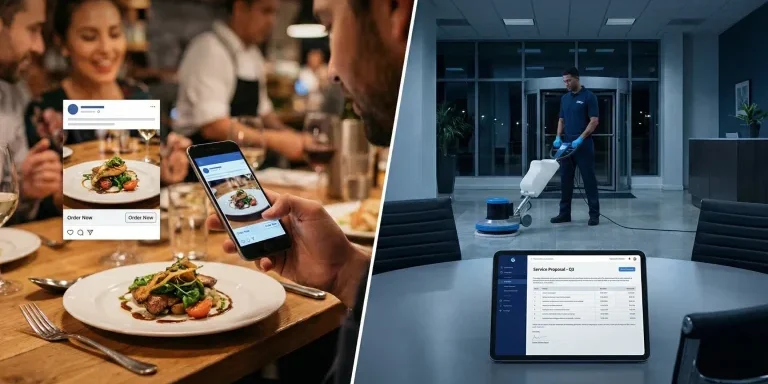
B2B vs B2C Marketing: What Local Brands Should Know in 2026
Two businesses. Same city. Same ad budget. Completely different results. A local restaurant owner runs Facebook ads featuring gorgeous food photography. Bookings spike within the week. Meanwhile, a commercial cleaning company runs nearly identical ads — same platform, same spend — and hears nothing. Not a single inquiry. Same tool. Same effort. Completely different outcome.…
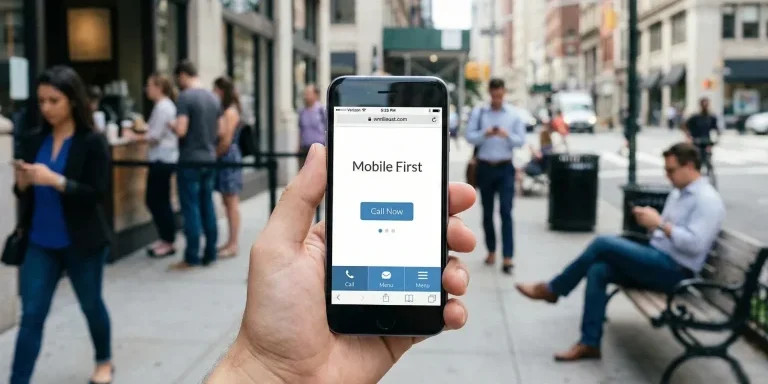
Mobile-First Design: Guide, SEO Benefits & Best Practices (2026)
Your website loads on phones. But was it actually built for them? Most businesses still design for desktops first, then try to squeeze everything onto smaller screens. That approach is backward. Your customers aren’t browsing during lunch breaks at their desk anymore. They’re checking you out while standing in line, walking between meetings, or sitting…

WordPress vs Custom Development: Which Is Right for Your Business in 2026?
Which Platform Powers Your Business Goals in 2026? Your website is the foundation of your digital presence. It’s where customers find you, learn about your services, and decide whether to do business with you. So when it’s time to build or rebuild that foundation, one question keeps coming up: Should you use WordPress, or invest…

Website Accessibility Compliance: Legal Requirements and Best Practices for 2026
If your business has a website, 2026 brings a new reality you need to understand. The rules around website accessibility have shifted from “nice to have” to “legally required” for many organizations. What was once voluntary guidance has become a compliance mandate with real deadlines, real enforcement, and real consequences for businesses that fall behind.…
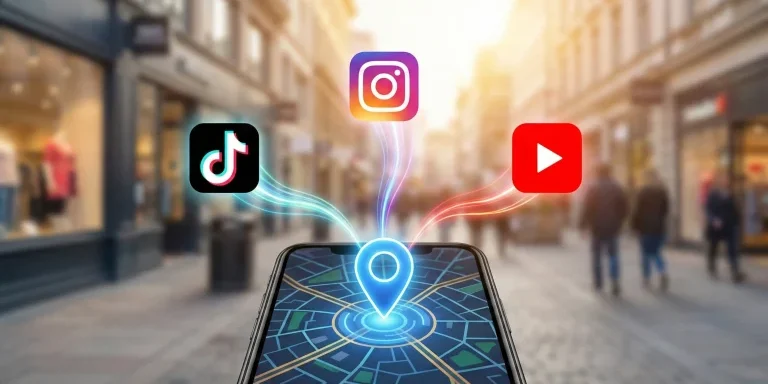
Short-Form Video Content That Converts Local Customers
Your competitors are showing up in “Nearby” feeds on TikTok. They’re appearing in Instagram map searches. Their YouTube Shorts are ranking on Google when customers search for services in your area. You’re not. This isn’t about going viral. It’s about being found by the customer driving past your location right now, phone in hand, searching…
Omnichannel Marketing Solutions
Merging creativity and technology for comprehensive brand experiences.

PIXELS
Harnessing digital platforms for impactful brand promotion and audience engagement through strategic touchpoints.

PROMOS
Making the intangible tangible through high-quality promotional items that echo your brand's voice and values.

PLACES
Transforming physical environments into powerful brand narratives that forge connections with everyone who enters your space.